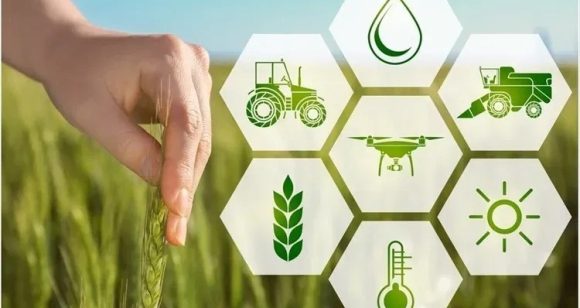
This intensive five-day training provides participants with the knowledge, tools, and strategies to address food security challenges and promote sustainable food systems. It covers global and regional food security trends, sustainable agricultural practices, climate-smart food production, policy frameworks, and community-based solutions. The program blends theory with practical case studies to equip participants with actionable skills for ensuring long-term food availability, access, and resilience.
Course Objectives:
By the end of the training, participants will be able to: • Understand the key concepts and dimensions of food security and sustainability. • Analyze the main drivers and threats to food security, including climate change, economic shocks, and population growth. • Apply sustainable agricultural and food system practices to enhance resilience. • Develop strategies for improving food availability, access, utilization, and stability. • Formulate community and policy-based approaches to achieve sustainable food security. • Assess and monitor food security using relevant indicators and tools.
Who Should Attend:
This course is ideal for: • Government policymakers and planners in agriculture, environment, and food sectors. • Food industry professionals and sustainability managers. • Agricultural extension officers and rural development practitioners. • NGO and humanitarian workers involved in food aid, nutrition, and community development. • Academics, researchers, and students in agriculture, food security, and sustainability studies. • Donor and development agency representatives.
While both In-House and Online training can present with cost-effectiveness and time-efficacy, there are some very specific differences between in-house courses and those based online.
The demand for additional courses by individuals or groups of people is increasing. Still, it depends entirely on the preferences of a person what type of training he or she wants to receive. Online courses and in-house training carry some similarities but they are considered to exhibit some very pivotal differences too. Despite that, both types of learning can be really beneficial for attendees.
For Registration and other Training arrangements,
contact us on the detail below.