

Forensic Inspection & Evidence
Handling in Standards Enforcement
10 – 14 May 2027
Sandton Centre
Johannesburg South Africa
Register Now! Limited Seats Available!
R19, 999.00 Per Delegate
Course overview:
In today’s regulatory environment, the enforcement of standards goes beyond routine inspections and compliance checks. Increasingly, Bureaus of Standards are required to address complex cases involving counterfeit goods, substandard products, fraudulent certifications, and deliberate non-compliance, all of which can pose serious risks to public safety, undermine fair trade, and result in significant economic losses.
As global supply chains become more sophisticated, so do the methods used to bypass regulatory controls. Products may be falsely labeled, documentation may be manipulated, and non-compliant goods may be deliberately introduced into the market. In such cases, traditional inspection approaches are often insufficient. There is a growing need for a more structured and legally robust approach—one that integrates forensic inspection techniques and proper evidence handling to support effective enforcement and prosecution.
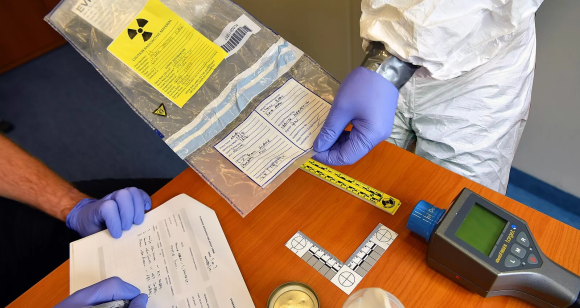
This course is designed to equip officials of the Bureau of Standards with the specialized skills required to conduct forensic inspections and manage evidence in a manner that meets legal and professional standards. It emphasizes a systematic approach to investigations, where every step—from planning and inspection to evidence collection, analysis, and reporting—is conducted with precision, integrity, and accountability.
Course Objectives
By the end of this program, participants will be able to:
• Understand the principles and scope of forensic inspection in standards enforcement
• Identify and investigate non-compliant, counterfeit, and substandard products
• Apply proper techniques for evidence identification, collection, and preservation
• Maintain chain of custody to ensure legal admissibility of evidence
• Conduct structured investigations and root cause analysis
• Prepare clear, accurate, and legally sound reports
• Support enforcement actions, including administrative and legal proceedings
• Strengthen institutional capacity for compliance enforcement and prosecution support
Who Should Attend
This course is ideal for:
• Standards enforcement officers
• Inspectors (border, market surveillance, and field operations)
• Compliance and regulatory officers
• Audit and quality assurance personnel
• Investigation and enforcement units
• Laboratory and certification officers
• Legal and prosecution support staff
• Risk and fraud management officers
Course Outline:
Module 1: Introduction to Forensic Inspection
• Definition and scope of forensic inspection
• Role in standards enforcement and regulatory compliance
• Types of cases (counterfeit goods, substandard products, fraud)
Module 2: Legal & Regulatory Framework
• Applicable laws and enforcement powers
• Rules of evidence and admissibility
• Rights and responsibilities of inspectors
• Coordination with legal and law enforcement agencies
Module 3: Inspection Planning & Case Preparation
• Risk-based case selection
• Pre-inspection intelligence gathering
• Planning inspections and investigations
• Safety considerations during inspections
Module 4: Evidence Identification & Collection
• Types of evidence (physical, documentary, digital)
• Techniques for collecting evidence
• Sampling procedures for laboratory testing
• Use of inspection tools and equipment
Module 5: Chain of Custody & Evidence Preservation
• Documentation of evidence handling
• Packaging, labeling, and storage
• Maintaining integrity of evidence
• Avoiding contamination and loss
Module 6: Forensic Analysis & Laboratory Support
• Role of laboratories in evidence analysis
• Testing methods and interpretation of results
• Linking inspection findings to technical standards
Module 7: Investigation Techniques
• Interviewing witnesses and suspects
• Gathering and verifying information
• Root cause analysis
• Case building and linking evidence
Module 8: Documentation & Report Writing
• Writing forensic inspection reports
• Structuring case files
• Presenting findings clearly and objectively
• Preparing documentation for legal proceedings
Module 9: Courtroom & Enforcement Support
• Presenting evidence in hearings or court
• Role of expert witnesses
• Handling cross-examination
• Supporting prosecution and enforcement actions
Module 10: Practical Exercises & Case Studies
• Simulated inspection scenarios
• Evidence collection and documentation exercises
• Case analysis and group presentations
End of the workshop
IN HOUSE AND ONLINE TRAINING

While both In-House and Online training can present with cost-effectiveness and time-efficacy, there are some very specific differences between in-house courses and those based online.
The demand for additional courses by individuals or groups of people is increasing. Still, it depends entirely on the preferences of a person what type of training he or she wants to receive. Online courses and in-house training carry some similarities but they are considered to exhibit some very pivotal differences too. Despite that, both types of learning can be really beneficial for attendees.
For Registration and other Training arrangements,
contact us on the detail below.
SOUTH AFRICA : +27 11 057 6001
TANZANIA Cell: +255 687 839 269
WhatsApp +27 82 360 1372 / +27 79 574 0389
info@bmktraining.co.za / www.bmktraining.com
