

Balancing Trade Facilitation with Enforcement for National Bureau of Standards
08 – 12 March 2027
Sandton Centre
Johannesburg South Africa
Register Now! Limited Seats Available!
R19, 999.00 Per Delegate
Course overview:
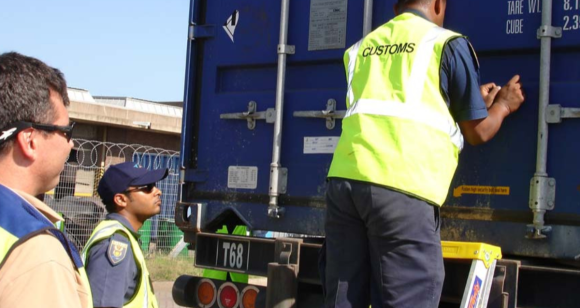
As international trade continues to expand, National Bureaus of Standards play a critical role in protecting consumers, supporting fair trade, and ensuring that imported and exported products comply with national, regional, and international standards. At the same time, governments are under increasing pressure to facilitate legitimate trade by reducing unnecessary delays, lowering compliance costs, and improving border efficiency.
Achieving the right balance between trade facilitation and regulatory enforcement is essential. Excessive enforcement can hinder trade and increase business costs, while weak enforcement exposes the market to substandard, counterfeit, and unsafe products.
This course equips participants with practical knowledge and modern regulatory approaches that enable Standards Authorities to maintain strong compliance while supporting efficient trade. It explores international best practices, risk-based inspections, intelligence-led enforcement, digital transformation, coordinated border management, and stakeholder engagement.
Participants will gain practical skills to improve border operations without compromising public safety, consumer protection, and product quality.
Course Objectives
By the end of this course, participants will be able to:
• Understand the relationship between trade facilitation and regulatory enforcement.
• Apply risk-based approaches to inspections and compliance monitoring.
• Strengthen border enforcement while minimizing unnecessary trade delays.
• Identify high-risk products requiring enhanced surveillance.
• Implement intelligence-driven enforcement strategies.
• Improve collaboration with Customs and other border agencies.
• Utilize digital technologies to streamline inspection and clearance processes.
• Enhance post-market surveillance and compliance monitoring.
• Develop strategies to combat counterfeit and substandard products.
• Improve stakeholder engagement with importers, exporters, and manufacturers.
• Align enforcement practices with international trade agreements and standards.
• Develop action plans for improving operational efficiency within their institutions.
Who Should Attend
This course is suitable for:
• Border Inspection Officers
• Import and Export Inspection Officers
• Standards Inspectors
• Compliance Officers
• Quality Assurance Officers
• Enforcement Officers
• Market Surveillance Officers
• Laboratory Scientists and Analysts
• Certification Officers
• Technical Regulation Officers
• Trade Facilitation Officers
• Customs Liaison Officers
• Risk Management Officers
• Investigations Officers
• Legal and Regulatory Affairs Officers
• Port and Border Operations Managers
• Directors of Compliance and Enforcement
• Regional Standards Managers
• Consumer Protection Officers
• Senior Management responsible for Standards, Compliance, Trade, and Border Operations
End of the workshop
IN HOUSE AND ONLINE TRAINING

While both In-House and Online training can present with cost-effectiveness and time-efficacy, there are some very specific differences between in-house courses and those based online.
The demand for additional courses by individuals or groups of people is increasing. Still, it depends entirely on the preferences of a person what type of training he or she wants to receive. Online courses and in-house training carry some similarities but they are considered to exhibit some very pivotal differences too. Despite that, both types of learning can be really beneficial for attendees.
For Registration and other Training arrangements,
contact us on the detail below.
SOUTH AFRICA : +27 11 057 6001
TANZANIA Cell: +255 687 839 269
WhatsApp +27 82 360 1372 / +27 79 574 0389
info@bmktraining.co.za / www.bmktraining.com
